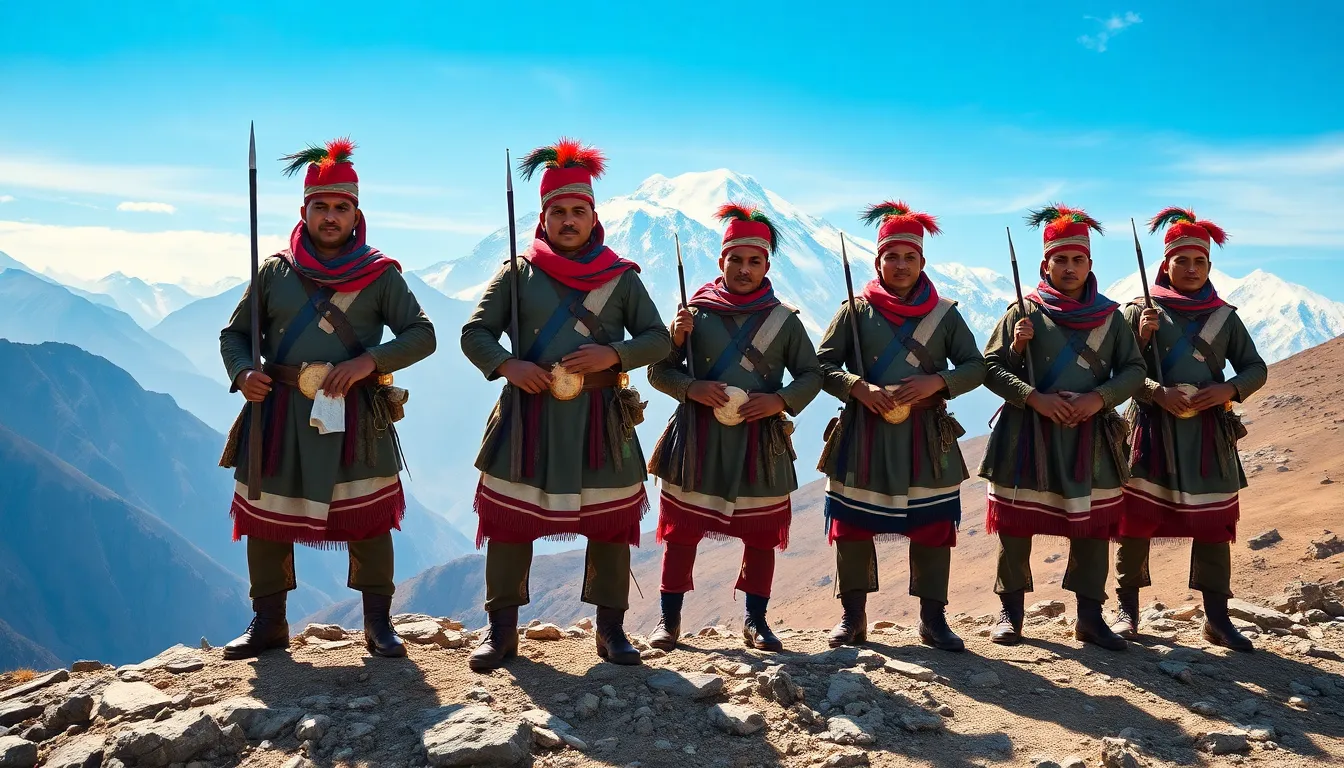
Nepalkrigare, or Nepalese warriors, hold a revered place in history, known for their bravery and fierce loyalty. These warriors have been integral to Nepal’s identity, shaping its culture and traditions through centuries of conflict and valor. Their legacy is not just about military prowess; it embodies the spirit of resilience and honor that defines the Nepalese people.
From the legendary Gorkhas to contemporary forces, Nepalkrigare have earned respect worldwide for their discipline and courage. Their contributions extend beyond the battlefield, influencing military strategies and fostering international alliances. Understanding the depth of their history reveals not only the evolution of warfare in Nepal but also the rich tapestry of its heritage.
Overview of Nepalkrigare
Nepalkrigare, or Nepalese warriors, hold a vital place in Nepal’s cultural fabric. Their historical roots trace back to the ancient kingdoms of Nepal, where bravery and martial skills defined their existence. These warriors distinguished themselves in conflicts against various adversaries, showcasing unmatched discipline, tactical prowess, and unwavering loyalty to their homeland.
The Gorkhas, a prominent group within Nepalkrigare, exemplify this warrior spirit. Famous for their fearless engagement in battles, they played significant roles in both local and international military campaigns. Their contributions span from the Anglo-Nepalese War in the early 19th century to participation in various global conflicts as part of the British and Indian armies. Recognition of the Gorkhas extends beyond their combat capabilities; they symbolize national pride and cultural heritage for the Nepalese people.
Modern Nepalkrigare continue this legacy, adapting to contemporary military approaches while maintaining traditional values. Today’s forces integrate advanced training and technology, reinforcing their reputation on the global stage. The discipline instilled in these warriors reflects not only their military effectiveness but also their commitment to serving and protecting Nepal.
Understanding the legacy of Nepalkrigare provides insights into Nepal’s historical identity and its ongoing evolution in warfare. This connection highlights how the valor and honor of Nepalese warriors shape the understanding of national pride and cultural resilience.
Historical Context
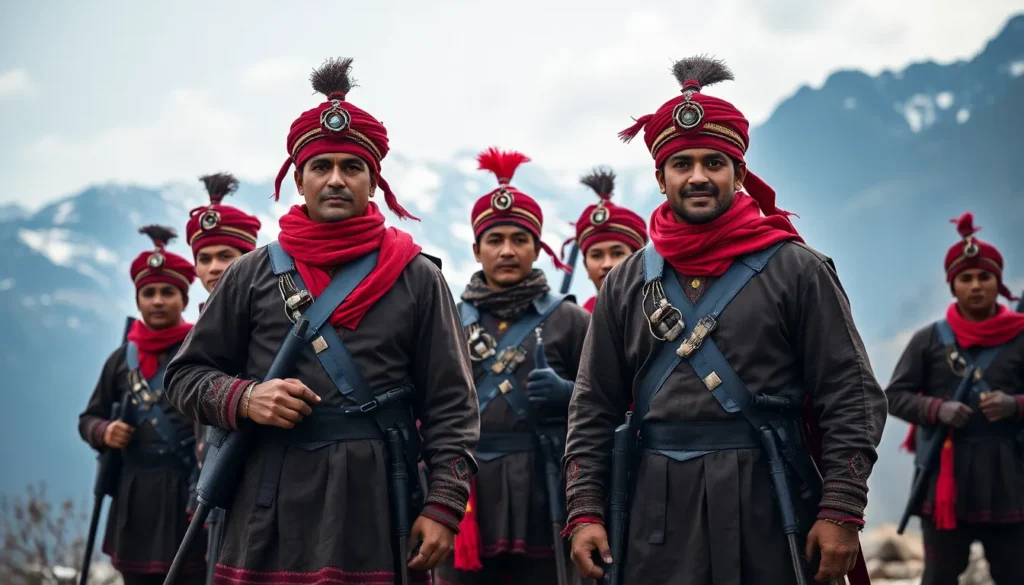
The legacy of Nepalkrigare, or Nepalese warriors, is deeply rooted in the region’s historical narrative. Their remarkable contributions have shaped not only military practices but also the cultural identity of Nepal.
The Emergence of Nepalkrigare
The emergence of Nepalkrigare dates back to the early history of Nepal, influenced by the diverse ethnic and cultural landscapes of the region. Ancient kingdoms established military groups to protect and expand their territories. These groups gradually evolved into the famed Nepalkrigare, known for their bravery and loyalty. Significant among them are the Gorkhas, who became synonymous with the warrior spirit of Nepal. The Gorkha regiments, distinguished by their fierce combat skills and adhering to a code of honor, transformed into a core component of Nepal’s military identity.
Key Events and Milestones
Several key events marked the history of Nepalkrigare, solidifying their status as formidable warriors:
| Year | Event Description |
|---|---|
| 1814-1816 | The Anglo-Nepalese War showcased Gorkhas’ tactical brilliance. |
| 1857 | Participation in the Indian Rebellion reinforced their reputation. |
| 1947 | Formation of the British Gurkha regiments highlighted their military significance globally. |
| 2015 | Involvement in UN peacekeeping operations exemplified their commitment to global peace. |
These milestones underscore the endurance and adaptability of Nepalkrigare, illustrating their ability to coexist within evolving military landscapes while preserving traditional values. Each event contributes to a rich tapestry of history, showcasing the resilience and honor that define Nepalkrigare.
Cultural Significance
Nepalkrigare, or Nepalese warriors, hold profound cultural significance in shaping Nepal’s national identity and heritage. Their valor and dedication resonate deeply in the hearts of the Nepalese people, symbolizing resilience and honor.
Impact on Nepalese Identity
Nepalkrigare profoundly impacts Nepalese identity through their representation of bravery, loyalty, and sacrifice. These warriors embody the spirit of the nation, reflecting the values of courage and resilience. Historical narratives celebrate their feats, integrating them into the fabric of national pride. They play a crucial role in fostering unity among diverse ethnic groups, providing a shared sense of heritage that strengthens communal bonds. The legends of Nepalkrigare inspire younger generations, instilling a sense of pride in their cultural roots and encouraging patriotism.
Representation in Media and Art
Nepalkrigare are prominently featured in various forms of media and art, reinforcing their legacy and cultural status. Films, literature, and traditional folklore depict their heroic deeds and sacrifices, celebrating their contributions to the nation. Visual arts, including paintings and sculptures, often represent their valor, showcasing the warrior ethos that defines Nepalese culture. Moreover, folklore, embodying tales of heroism, offers lessons on bravery, loyalty, and resilience. This artistic representation enables the Nepalkrigare narrative to thrive and evolve, ensuring their continuing relevance in contemporary society.
Current Relevance
Nepalkrigare maintain significant relevance in today’s society, as their legacy influences both cultural identity and perceptions of honor. Their historical contributions continue to resonate with the Nepalese people, serving as a source of pride and inspiration.
Modern-Day Perceptions
Modern perceptions of Nepalkrigare reflect their esteemed status within Nepalese society. People view them not only as warriors but also as embodiments of bravery and resilience. The incorporation of Nepalkrigare in contemporary discussions about national identity reinforces their role in fostering unity among various ethnicities. Additionally, the ongoing recognition of their contributions in international military engagements highlights their adaptability and dedication to global peace.
Educational Importance
Educational institutions increasingly highlight the significance of Nepalkrigare in curricula, illustrating their contributions to Nepal’s history. Lessons often explore the strategic skills and martial prowess of these warriors, emphasizing their impact on military history and national development. Schools organize events, such as presentations and workshops, allowing students to engage with the legacy of Nepalkrigare. This focus educates younger generations about their heritage while instilling values of courage, loyalty, and service to the nation.
Challenges and Controversies
Nepalkrigare face various challenges and controversies that impact their legacy and perception. These include political factors, societal expectations, and the evolving nature of modern warfare.
Recruitment and Representation
Recruitment practices in the Nepalkrigare have sparked debate. Concerns arise regarding equal representation across ethnic groups and regions within Nepal. Ensuring diversity in recruitment can affirm national unity while providing opportunities for underrepresented communities.
Historical Misinterpretations
Historical events involving Nepalkrigare, such as the Anglo-Nepalese War, often undergo misinterpretation. National narratives may exaggerate certain victories or downplay losses. Reexamining these events with accuracy promotes an understanding of their complexities and acknowledges both successes and shortcomings.
Globalization and Modern Identity
Globalization affects the role of Nepalkrigare in contemporary society. The integration of international military standards influences traditional practices. Balancing modern military strategies with cultural values remains a challenge for current forces, requiring openness to change while preserving identity.
Recognition and Benefits
Disparities exist in the recognition and benefits provided to Nepalkrigare and their families. Veterans often lack adequate support and access to resources. Addressing these issues ensures that sacrifices made by these warriors receive appropriate acknowledgment and care.
Cultural Narratives and Media Portrayals
Media portrayals of Nepalkrigare may perpetuate stereotypes. While celebrating their prowess, narratives sometimes fail to reflect the full scope of their contributions. Engaging with nuanced perspectives in storytelling promotes an accurate representation of their experiences and achievements.
The legacy of Nepalkrigare extends far beyond their military prowess. These warriors embody the spirit of resilience and honor that defines Nepal’s cultural identity. Their contributions have shaped national pride and fostered unity among diverse communities.
As modern Nepalkrigare adapt to contemporary challenges, they continue to uphold the values of bravery and loyalty. Their representation in media and education ensures that future generations remain inspired by their heroic deeds.
Understanding the complexities surrounding Nepalkrigare offers valuable insights into Nepal’s historical narrative. It highlights the importance of recognizing their sacrifices while advocating for equal representation and support for veterans. The story of Nepalkrigare remains a testament to the enduring strength and spirit of the Nepalese people.