Shropadis have been gaining attention for their unique role in various cultural and historical contexts. These intriguing figures often embody a blend of tradition and mystery that captivates both researchers and enthusiasts alike. Understanding shropadis offers valuable insights into the communities and practices they represent.
Exploring the origins and significance of shropadis reveals a rich tapestry of stories and customs. They serve as a fascinating window into the past and continue to influence contemporary culture in subtle yet meaningful ways. This article delves into what makes shropadis so compelling and why they deserve a closer look.
What Are Shropadis?
Shropadis represent cultural artifacts embodying centuries of tradition and community identity. They serve as both historical symbols and functional objects within their societies.
Origin and History
Shropadis originated in the early medieval period within regions now part of central Europe. Historical records detail their use among rural populations for ceremonial and practical purposes. Archaeological finds date some shropadis back over 800 years, revealing intricate craftsmanship. This history traces the evolution of shropadis from simple tools to complex cultural emblems, reflecting shifts in societal values and artistic expression.
Common Uses and Applications
Shropadis function primarily in religious rituals, acting as conduits for spiritual communication during festivals and rites of passage. They also appear in daily life as tools for agriculture and domestic tasks, showcasing versatility. Modern communities employ shropadis in cultural preservation efforts, using replicas in educational settings and heritage celebrations. Their multifaceted applications underline their enduring relevance across different contexts.
Types of Shropadis
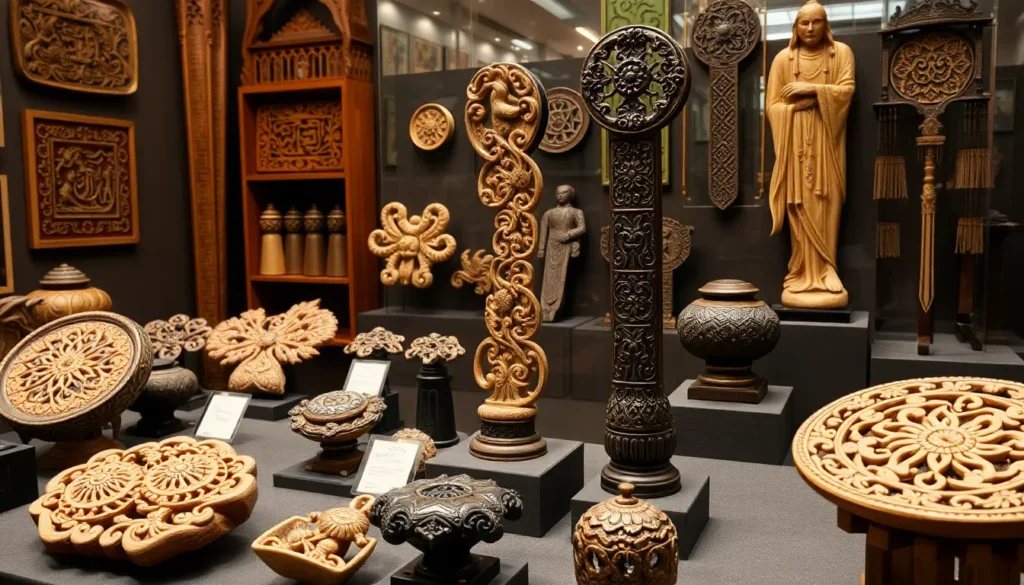
Shropadis exist in various forms, each reflecting a distinct period and purpose. Their designs range from historically traditional to contemporary adaptations.
Traditional Shropadis
Traditional shropadis originate from early medieval central Europe. They feature materials such as carved wood, iron, and brass, exhibiting intricate craftsmanship. These shropadis served ceremonial functions in religious rituals and symbolized community identity. Examples include engraved wooden handles, iron-bound panels, and richly adorned emblematic motifs. Many traditional shropadis date back over 800 years, demonstrating continuity in cultural practices and artistic techniques.
Modern Variations
Modern variations of shropadis incorporate new materials like polished steel, synthetic composites, and decorative glass. They maintain ceremonial uses but also serve educational and decorative purposes in community heritage projects. Contemporary designs often blend traditional motifs with minimalist aesthetics, creating versatile artifacts. Using replicas, modern communities preserve cultural significance while adapting shropadis for public exhibitions and cultural celebrations.
Benefits of Using Shropadis
Shropadis offer a variety of benefits that extend beyond their cultural significance, impacting health, wellness, and the environment.
Health and Wellness Advantages
Shropadis contribute to improved mental well-being by fostering a sense of connection to cultural heritage. Engaging with these artifacts encourages mindfulness and reduces stress, which supports emotional balance. Additionally, some traditional shropadis incorporate natural materials like carved wood and brass, promoting tactile stimulation and sensory relaxation. Communities using shropadis in ceremonies report increased social cohesion, which enhances collective psychological health.
Environmental Impact
Shropadis, especially traditional varieties, utilize sustainably sourced materials such as wood and metal, minimizing environmental degradation. Their craftsmanship often involves low-impact production techniques that reduce waste and energy consumption. Modern adaptations that use recycled metals and eco-friendly finishes further promote sustainability. By preserving these practices, communities lower the carbon footprint associated with mass manufacturing alternatives, reinforcing environmental responsibility.
How to Choose the Right Shropadi
Selecting the right shropadi requires attention to specific factors that ensure authenticity, functionality, and cultural relevance. Proper evaluation helps preserve the heritage and practical benefits of these artifacts.
Factors to Consider
- Material: Choose shropadis crafted from authentic materials like carved wood, iron, brass, or polished steel, depending on traditional or modern styles. Material quality affects durability and appearance.
- Craftsmanship: Prioritize intricate designs and detailed workmanship, which indicate genuine handiwork and cultural significance.
- Purpose: Determine whether the shropadi is intended for ceremonial use, decoration, or educational projects, as this influences the design and materials.
- Authenticity: Verify historical accuracy or adherence to traditional motifs, especially for traditional shropadis intended to reflect community identity.
- Sustainability: Opt for shropadis made with sustainably sourced or recycled materials to support environmental responsibility.
- Size and Weight: Consider the appropriate size and weight based on intended use, ensuring ease of handling during rituals or display.
- Price: Balance cost with quality, knowing that high craftsmanship and authentic materials may command higher prices.
Where to Buy Quality Shropadis
- Specialty Artisan Shops: Purchase from craftspeople specializing in traditional shropadis, ensuring authentic and handcrafted quality.
- Cultural Heritage Centers: Acquire shropadis curated in cultural centers or museums that promote heritage preservation.
- Reputable Online Retailers: Use trusted websites with verified reviews providing detailed product descriptions, authenticity certificates, and sustainable sourcing information.
- Community Markets and Festivals: Explore regional markets or cultural festivals where local artisans sell genuine shropadis.
- Custom Commissioning: Engage skilled craftsmen to create customized shropadis matching specific design and material requirements.
Care and Maintenance of Shropadis
Proper care preserves the appearance and structural integrity of shropadis. Storage in a dry, stable environment prevents moisture damage and corrosion. Avoid exposure to direct sunlight, which can fade wood finishes and weaken materials.
Cleaning requires gentle methods adapted to the shropadi’s composition. Use a soft, dry cloth for regular dusting of wooden and metal surfaces. Apply mild, pH-neutral cleaners on brass or iron parts only when necessary, ensuring thorough drying afterward to prevent rust.
Regular inspection identifies early signs of wear or damage. Check joints, carvings, and metal elements for cracks, corrosion, or loose fittings. Address minor repairs promptly using appropriate adhesives or conservator-approved treatments to prevent further deterioration.
Handling shropadis includes wearing gloves to avoid transferring oils and dirt. Limit frequent handling to essential interactions, especially with antique or highly detailed pieces. Documentation of maintenance and any restoration enhances provenance and future care.
For modern shropadis incorporating glass or steel, avoid harsh abrasives and chemical solvents. Employ microfiber cloths and manufacturer-recommended products to maintain the finish and functionality. Preservation techniques align with the item’s historical and cultural significance, ensuring longevity and continued community appreciation.
Conclusion
Shropadis remain powerful symbols that connect past and present, blending artistry with cultural identity. Their evolving designs reflect both tradition and innovation, making them relevant to modern communities. By appreciating their craftsmanship and significance, people support the preservation of heritage while embracing sustainability.
Whether used in ceremonies or displayed as art, shropadis continue to inspire connection and mindfulness. Proper care ensures these meaningful objects endure for future generations. Their unique blend of history, function, and symbolism makes shropadis a fascinating subject worthy of ongoing exploration and respect.