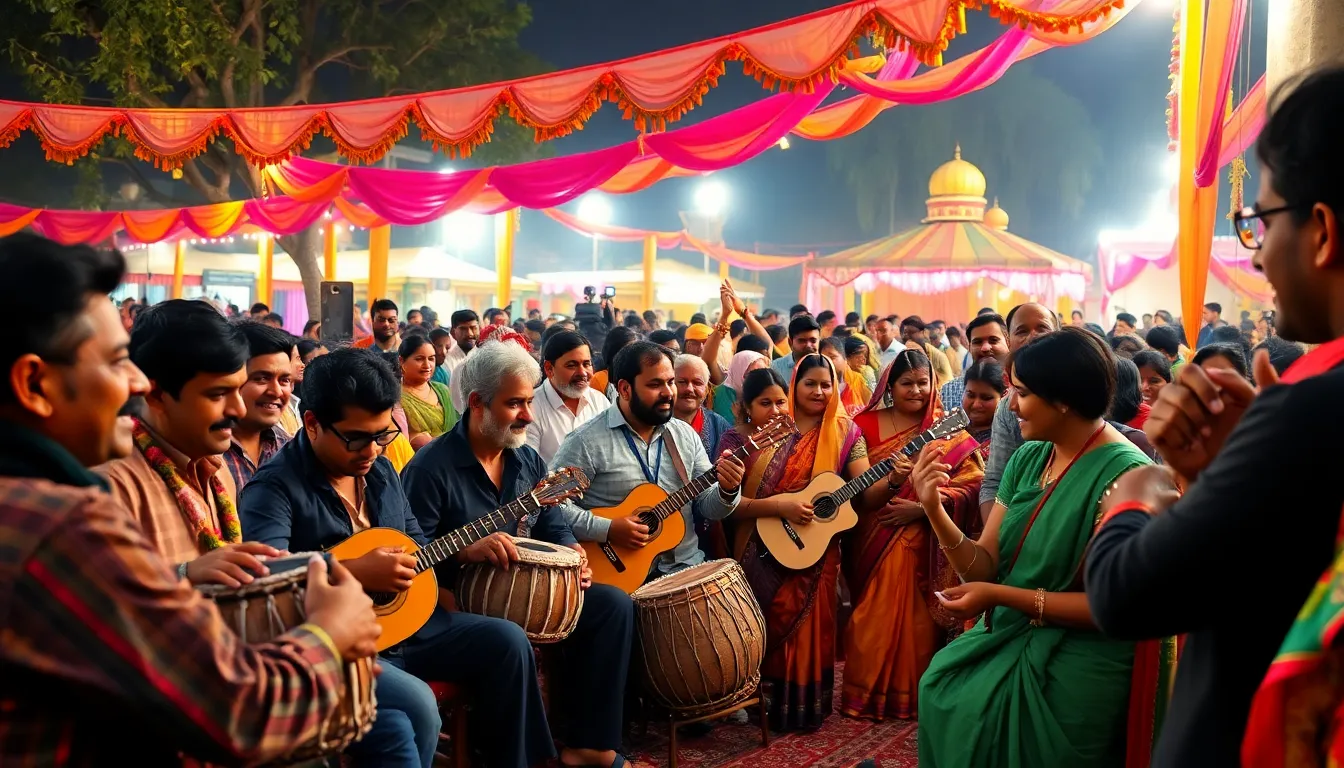
In the vibrant world of traditional Indian music, shropadis hold a unique place, captivating audiences with their rhythmic intricacies and melodic charm. These compositions, often rooted in folk traditions, blend storytelling with musical expression, creating a rich tapestry of sound that resonates across generations.
Shropadis are more than just songs; they’re a reflection of cultural heritage, often performed during festivals and celebrations. Their lively beats and engaging lyrics invite listeners to immerse themselves in the experience, making them a cherished part of local traditions. As the popularity of shropadis continues to grow, so does the interest in preserving and promoting these musical gems for future generations.
Overview of Shropadis
Shropadis hold a significant place in traditional Indian music, blending rhythmic complexity with melodic richness. These compositions draw from deep-rooted folk traditions, enriching cultural heritage.
Definition and Origins
Shropadis are a form of musical composition often characterized by their narrative structure. Originating from various regional folk traditions in India, shropadis convey stories through song, preserving cultural narratives. Local musicians traditionally perform them during community gatherings and religious festivals, ensuring their roots remain intertwined with social practices.
Cultural Significance
Shropadis serve as a vital expression of cultural identity within communities. They foster a sense of belonging and connection, emphasizing communal ties during celebrations. As these compositions engage the audience, they make participation an integral element, enhancing the overall experience. The preservation and promotion of shropadis address contemporary interests, allowing future generations to embrace and celebrate this rich musical heritage.
Types of Shropadis
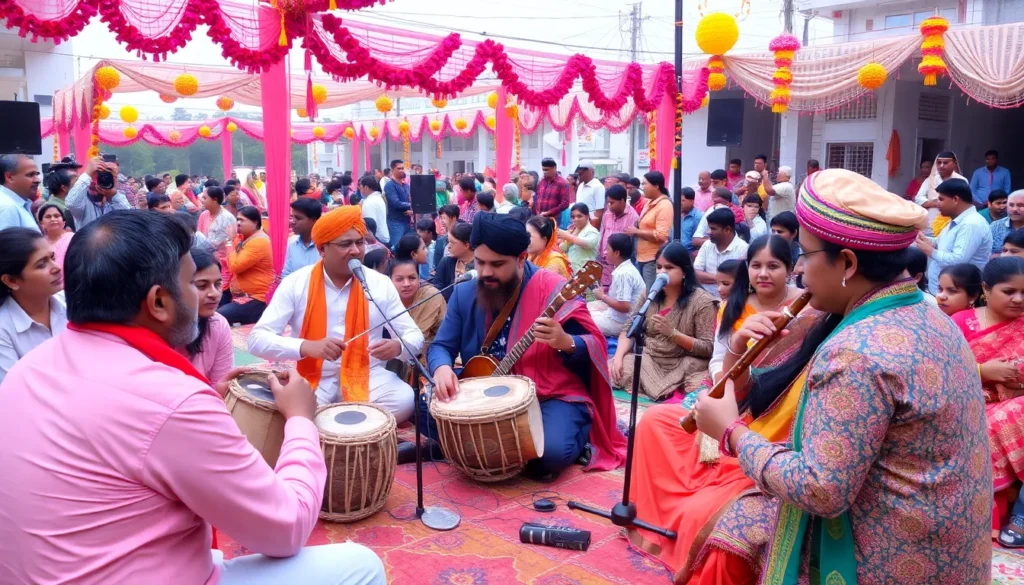
Shropadis come in various forms, reflecting their cultural roots and evolving nature. They can be broadly classified into traditional and contemporary variations.
Traditional Shropadis
Traditional shropadis embody the essence of folk culture, often featuring regional dialects, distinctive musical styles, and storytelling elements. These compositions typically draw on historical themes, myths, and local legends, engaging audiences with their rhythmic patterns and melodic structures. Musicians perform traditional shropadis during festivals, weddings, and significant community events. Instruments like the dholak, harmonium, and flute often accompany these performances, enhancing their emotional depth and cultural resonance.
Contemporary Variations
Contemporary shropadis adopt modern influences, blending traditional elements with contemporary music styles. Artists experiment with genres such as fusion, pop, and classical, making shropadis more accessible to younger audiences. Electronic instruments and digital production techniques frequently feature in these adaptations, creating a unique listening experience. Collaborations with artists from different musical backgrounds enrich contemporary shropadis, appealing to diverse audiences and expanding their reach beyond local communities. These variations maintain the spirit of storytelling while embracing innovation, ensuring that shropadis remain relevant in today’s musical landscape.
Benefits of Shropadis
Shropadis offer various benefits, enhancing individual well-being and strengthening community bonds. Their traditional roots and modern interpretations create a multifaceted impact.
Health Benefits
Shropadis promote mental health by providing emotional expression and relief. Engaging with music enhances mood, reduces stress levels, and fosters relaxation. Singing or listening to shropadis encourages social connection, which positively influences mental well-being. Furthermore, participation in performances can boost physical health through movement and dance, improving cardiovascular fitness and coordination.
Social and Community Benefits
Shropadis serve as a unifying force within communities, fostering relationships and shared experiences. They enhance social cohesion by bringing people together during festivals and celebrations. Community gatherings centered around shropadi performances facilitate intergenerational dialogue, allowing cultural knowledge and practices to be passed down. Additionally, these musical traditions reinforce cultural identity, creating a sense of pride and belonging among participants and audiences alike.
How to Enjoy Shropadis
Engaging with shropadis enhances the overall experience, allowing for deeper connection and appreciation. Preparation and pairing play crucial roles in maximizing enjoyment.
Preparing and Serving
Preparing shropadis requires attention to detail. Musicians typically rehearse to ensure rhythmic precision and melodic clarity. Instruments like the dholak, harmonium, and flute should be in optimal condition to produce authentic sound. Performances often occur in communal settings, where a festive atmosphere enhances audience engagement. Musicians may engage the crowd through call-and-response practices, inviting participation and fostering connectivity. Serving shropadis involves creating a welcoming environment, allowing listeners to immerse themselves in the cultural narrative.
Pairing with Other Dishes
Pairing shropadis with traditional dishes enhances the sensory experience. Dishes such as biryani, samosas, and sweets provide a rich culinary backdrop that complements the musical experience. Beverages like chai or lassi can further enrich the setting, creating a complete cultural experience. During festivals or community events, serving these dishes alongside shropadi performances encourages social interaction and deepens communal ties. It showcases the synergy between music and cuisine, celebrating cultural heritage in a holistic manner.
Shropadis embody the rich tapestry of traditional Indian music and culture. Their unique blend of storytelling and melody fosters a deep connection among communities during celebrations. As they evolve to incorporate contemporary elements, shropadis remain relevant and engaging for new generations.
The preservation and promotion of these musical treasures are essential for maintaining cultural heritage. By embracing both traditional and modern interpretations, shropadis can continue to inspire and unite people. Their role in enhancing individual well-being and strengthening community bonds underscores their significance in today’s world.