
Ever wondered why your watch seems to have a mind of its own? Welcome to the quirky world of “uhrenunstellung,” or as most know it, daylight saving time. It’s that magical moment when clocks spring forward or fall back, leaving many of us in a time zone of confusion. While some embrace the change with open arms, others are left scrambling to adjust their schedules and reset their gadgets.
But fear not! This article dives into the why and how of uhrenunstellung, shedding light on its history, purpose, and the best tips to navigate the clock chaos. Whether you’re a time management guru or someone who still struggles with the microwave timer, there’s something here for everyone. So grab your favorite timepiece and let’s unravel the mystery of this biannual time shift together.
Overview of Uhrenunstellung
Uhrenunstellung refers to the biannual adjustment of clocks for daylight saving time. This practice typically occurs in spring and autumn across various countries. The rationale centers on maximizing daylight during longer days and conserving energy use. Adjustments usually occur on a specific date, with clocks moving forward one hour in spring and falling back one hour in autumn.
Many people experience confusion during these transitions. In the spring, losing an hour of sleep can disrupt routines, while regaining an hour in the autumn often leads to mixed feelings. Numerous studies indicate that this change can affect sleep patterns and productivity levels, highlighting the significance of understanding uhrenunstellung’s impact.
In Europe, the European Union has considered ending the practice of seasonal time changes. Discussions around the potential abolition suggest that some countries prefer a permanent standard time for consistency. As countries assess the benefits of maintaining or eliminating daylight saving time, public opinion plays a crucial role.
Managing the impacts of uhrenunstellung requires planning. Adjusting sleep schedules a few days before the change can ease the transition. Utilizing technology, such as smartphone alarms that automatically adjust, often helps reduce confusion. Awareness of the specific dates and time changes aids in preparing for this biannual event.
Ultimately, uhrenunstellung remains a topic of interest, balancing historical practices, energy conservation efforts, and the needs of modern society.
Importance of Uhrenunstellung
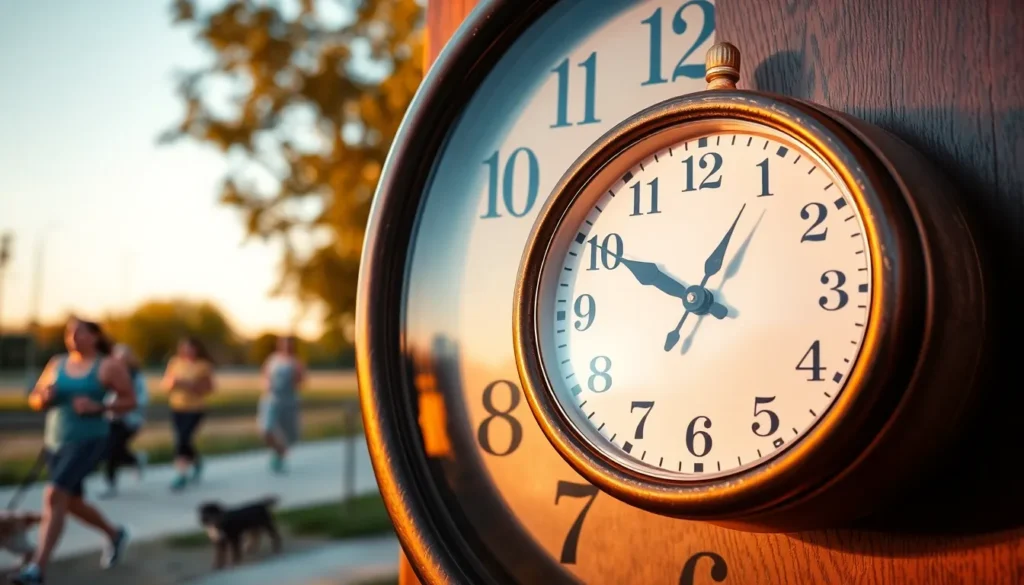
Understanding the significance of uhrenunstellung is crucial for managing daily life effectively. This biannual change brings various benefits and challenges that can impact routines.
Benefits of Adjusting Clocks
Adjusting clocks for daylight saving time provides increased daylight in the evening hours. People enjoy longer evenings, which often leads to more outdoor activities and enhanced well-being. Energy conservation is another advantage, as extended daylight reduces reliance on artificial lighting. Studies show that this time shift can lead to lower energy consumption during the warmer months. Additionally, the time change encourages a more proactive lifestyle, as individuals may take advantage of the longer days for exercise and socializing.
Consequences of Incorrect Settings
Incorrectly set clocks can cause significant disruptions in daily routines. Missed appointments and deadlines often occur when times are off by an hour. Productivity can decline due to confusion regarding schedules, which affects both work and personal activities. Safety risks also arise, particularly in the transition periods when people may be more fatigued or disoriented. Studies indicate an increase in traffic accidents linked to these transitions. Moreover, social events are susceptible to miscommunication, as people may gather at the wrong times due to incorrect clock settings.
The Process of Uhrenunstellung
Understanding how to adjust clocks for uhrenunstellung simplifies the transition and minimizes confusion. Adjusting different types of clocks varies in complexity.
Steps to Adjust Different Types of Clocks
Digital clocks require straightforward steps. First, locate the settings button. Next, navigate to the time setting option. For analog clocks, finding the adjustment knob is crucial. Turn it to set the correct hour and minute. Smart devices often update automatically, ensuring little to no manual intervention.
Tools Needed for Uhrenunstellung
Essential tools make the process smoother. A user manual for each clock type provides specific instructions. Having a reliable smartphone helps with timing and reminders. For those without automatic updates, a calendar or notes app serves to track time changes. A quick Internet search can assist in finding direct instructions as well.
Common Mistakes in Uhrenunstellung
Adjusting clocks for uhrenunstellung often leads to confusion. One common mistake occurs when individuals forget to change their clocks altogether. Many people mistakenly assume that automatic updates on smart devices account for all clocks in the household. Checking all timekeeping devices, including microwaves and alarm clocks, remains essential.
Another frequent error involves inconsistent timing of adjustments. Some adjust clocks too early while others wait until the last minute. To avoid this, it’s helpful to set reminders in advance, allowing adequate time for adjustments.
Not accounting for differing time zones also creates challenges. Business travelers or those moving between regions should note that not all areas observe daylight saving time. Researching local practices prevents scheduling mishaps and missed appointments.
Failing to adjust sleep schedules can exacerbate issues related to uhrenunstellung. Many individuals ignore the impact of losing or gaining an hour on their sleep patterns. Prioritizing gradual sleep adjustments may ease the transition and improve overall well-being.
Overconfidence in memory poses another problem. Some assume they can remember the correct time after changing clocks without double-checking. Relying on a system, such as writing the change down, can mitigate mistakes.
Many underestimate the time needed to adapt. Symptoms like fatigue and decreased productivity often surface during the transition. Acknowledging this adjustment period and planning accordingly contributes to better management of daily activities.
Recognizing these common mistakes enhances the understanding of uhrenunstellung, encouraging a smoother experience during transitions.
Understanding uhrenunstellung is essential for navigating the complexities of daylight saving time. Its biannual shifts can disrupt routines and impact well-being. By recognizing common pitfalls and employing practical strategies, individuals can minimize the negative effects of these time changes.
As discussions about the future of seasonal time adjustments continue, staying informed allows for better management of daily life. Embracing the benefits while acknowledging the challenges will lead to a more balanced approach to timekeeping. With a little preparation and awareness, transitioning into and out of daylight saving time can be a smoother experience.