Crafting with kids isn’t just about glitter and glue—it’s a magical adventure that transforms ordinary afternoons into extraordinary memories. Imagine the joy of watching little hands get messy while big ideas come to life. Whether it’s a rainy day or a weekend project, crafting can spark creativity and ignite laughter, making it the perfect antidote to boredom.
Benefits of Crafting with Kids
Crafting with kids offers numerous benefits that extend beyond mere entertainment. Engaging in creative activities can foster essential skills development and strengthen bonds between children and their caregivers.
Enhancing Creativity
Creativity flourishes through hands-on projects. Kids encounter new materials, colors, and techniques. These experiences encourage them to think outside the box and express themselves. As they experiment, they discover unique solutions and innovative ideas. Building confidence in their creative abilities becomes a natural outcome. Opportunities to create art may lead to a lifelong appreciation for various forms of expression.
Developing Fine Motor Skills
Fine motor skills receive significant improvement through crafting. Kids use scissors, glue, and small objects, developing hand-eye coordination. Each craft requires precision, whether threading beads or cutting paper. Regular practice helps strengthen hand muscles important for writing and other tasks. Mastery of these skills contributes to overall academic and social success. Engaging in these activities provides an enjoyable method for enhancing essential physical abilities.
Popular Craft Ideas
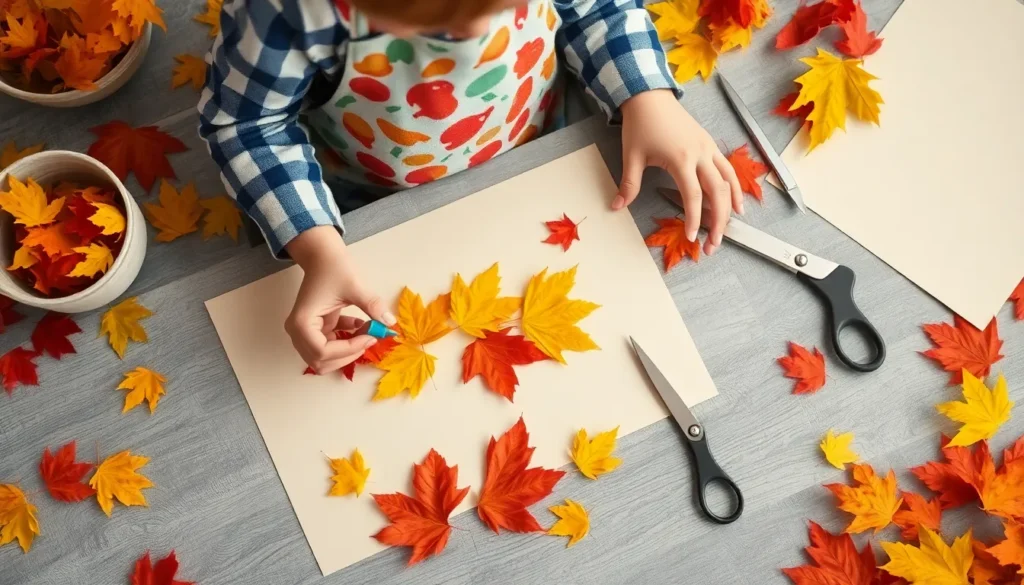
Exploring various craft ideas creates enjoyable experiences for kids. Engaging in projects allows them to express their creativity and develop new skills.
Seasonal Crafts
Seasonal crafts resonate with the changing environment and holidays. Autumn brings leaf collages made with colorful leaves gathered during walks. Winter offers opportunities for snowflake decorations using paper cutouts. Spring invites flower arrangements created with tissue paper and vibrant colors. Summer crafts might include making seashell bracelets collected from beach outings. Each season provides unique materials and themes, keeping kids engaged and excited throughout the year.
Recyclable Materials Crafts
Recyclable materials serve as fantastic resources for creative projects. Cardboard boxes transform into imaginative playhouses or cars through simple decoration. Plastic bottles become planters for growing herbs or flowers when painted and adorned. Paper towel rolls can be crafted into binoculars or owls using paint and markers. Old magazines offer pages for collages, boosting artistic expression by allowing kids to choose their favorite images. Utilizing items that might typically be discarded fosters creativity while promoting sustainability.
Tips for Successful Crafting
Successful crafting experiences require thoughtful planning and organization. Creating a conducive environment leads to enjoyable and productive sessions.
Setting Up the Craft Space
Establishing the crafting area is essential for smooth activities. Designate a clear space that allows easy movement and accessibility to materials. Cover surfaces with newspapers or tablecloths for easy cleanup. Organize supplies into bins labeled by type, making it simple for children to find what they need. Keep frequently used items, such as scissors and glue sticks, within reach. Bright lighting enhances visibility and adds a cheerful atmosphere. Personalizing the craft space with inspiring art or decorations can motivate creativity. Ensuring that the area remains clutter-free throughout the project encourages focus and engagement.
Choosing Age-Appropriate Projects
Selecting the right projects based on children’s ages is vital for enjoyment. Toddlers benefit from simple tasks like coloring or finger painting, which enhance motor skills. Preschoolers can handle more complex activities, such as collages or nature crafts, promoting exploration. School-aged children thrive with projects that challenge their creativity while building confidence, like DIY ornaments or handmade cards. Avoid overwhelming children with projects that exceed their abilities, as this can lead to frustration and disengagement. Tailoring craft ideas to developmental stages helps maintain interest and fosters a sense of accomplishment. Aim for a balance between fun and learning while ensuring every project remains age-appropriate and engaging.
Safety Considerations
Crafting with kids encourages creativity, but safety remains a priority. Awareness of safety practices ensures fun and secure experiences during projects.
Non-Toxic Materials
Choosing non-toxic materials is essential. Look for paints, glues, and other supplies labeled as non-toxic or AP-certified. Items like natural fibers, tissue paper, and biodegradable glues offer safe options. Parents should avoid products containing harmful chemicals, especially for younger children who may put things in their mouths. Recyclable materials like cardboard and paper also make safe choices while promoting environmental awareness.
Supervision Guidelines
Supervision plays a critical role in crafting activities. Adults should actively engage during projects, especially with younger kids. Keeping a close watch helps prevent accidents and encourages safe usage of tools like scissors and glue. Establishing clear rules about workspace behavior fosters a positive environment. Older children working independently still benefit from occasional check-ins to ensure safety and proper use of materials.
Crafting with kids is more than just a fun pastime; it’s an opportunity for growth and connection. These creative activities spark imagination and develop essential skills while creating lasting memories. By engaging in seasonal and recyclable projects, children learn to appreciate the world around them and the importance of sustainability.
Setting up a well-organized craft space and choosing age-appropriate projects ensures that every crafting session is enjoyable and safe. With the right approach, parents and caregivers can turn ordinary moments into extraordinary experiences filled with laughter and creativity. Embracing these crafting adventures not only strengthens bonds but also nurtures a child’s confidence and creative spirit.