In a world where stress seems to be the only constant, finding time to unwind can feel like searching for a unicorn. But fear not! Fitness relaxation exercises are here to save the day, combining the benefits of physical activity with the soothing powers of calm. Who knew that stretching and deep breathing could be the ultimate tag team against tension?
Overview of Fitness Relaxation Exercises
Fitness relaxation exercises serve as effective tools for managing stress and promoting overall well-being. Incorporating these exercises into a routine can significantly enhance relaxation and mental clarity. Stretching exercises, for instance, improve flexibility while releasing tight muscles, which often contribute to physical tension. Deep breathing practices increase oxygen flow, calming the mind and reducing anxiety.
Gentle movements like yoga and tai chi enhance body awareness and balance. These activities not only promote physical health but also facilitate mental relaxation. Participants often experience a sense of peace after engaging in these practices. Many individuals use specific techniques such as progressive muscle relaxation to alleviate stress systematically. This method involves tensing and relaxing various muscle groups, further enhancing a body’s relaxation response.
In addition, mindfulness techniques integrated into fitness relaxation exercises help cultivate present-moment awareness. Engaging with sensations during movement fosters a deeper connection between the mind and body. As these exercises prioritize both physical and mental health, they can be tailored to suit varying fitness levels, making them accessible to anyone.
Research supports the benefits of fitness relaxation exercises, showing they reduce cortisol levels, improve mood, and enhance sleep quality. Regular participation in these activities encourages lasting changes in stress management and well-being. These practical strategies address the need for relaxation in a busy world, enabling individuals to effectively combat tension and rejuvenate their minds.
Benefits of Fitness Relaxation Exercises
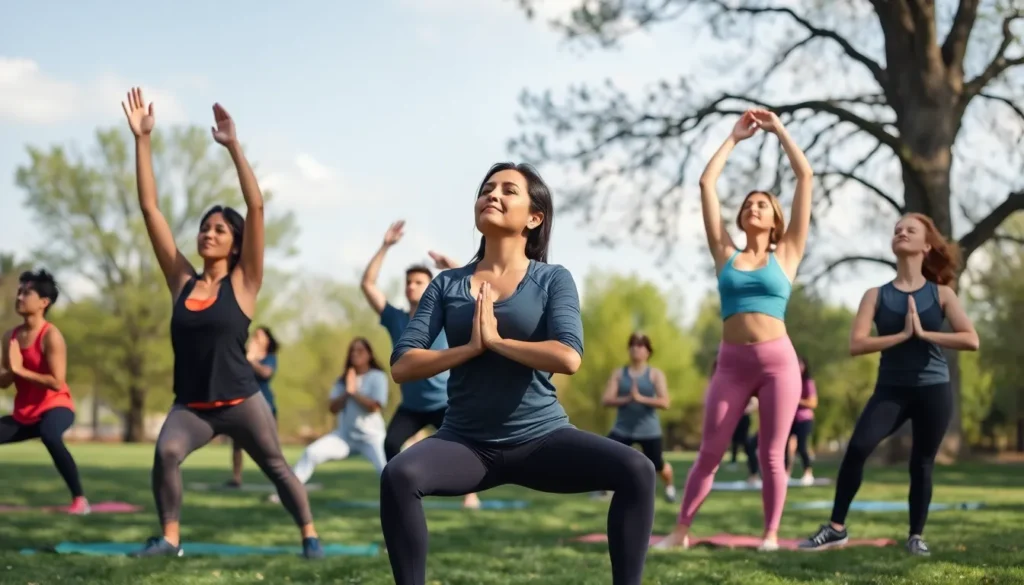
Fitness relaxation exercises offer significant advantages for both physical and mental health. Engaging in these practices promotes overall well-being, whether through enhancing flexibility or fostering mental clarity.
Physical Benefits
Improved flexibility results from regular stretching sessions. Increased range of motion helps prevent injuries during physical activities. Muscles experience relief from tension, allowing for better performance in daily tasks. Exercise encourages blood circulation, aiding in the delivery of oxygen and nutrients to cells. Joint health benefits from gentle movements, reducing stiffness and promoting fluidity. Weight management is supported as fitness relaxation exercises can complement a balanced routine. Enhanced recovery times lead to quicker results from intensive workouts. Overall, these physical advantages contribute to a healthier lifestyle.
Mental Benefits
Cognitive clarity improves with regular practice of relaxation exercises. Reduced stress levels occur due to the calming effects of deep breathing and mindfulness techniques. Improved mood results from the release of endorphins, supporting emotional balance. Sleep quality increases, enabling better rest and rejuvenation. Mindfulness practices help cultivate a present-moment awareness that reduces anxiety. Enhanced focus can occur during daily tasks, fostering productivity. Positive mental health is reinforced as individuals learn to manage stress effectively through these exercises.
Types of Fitness Relaxation Exercises
Fitness relaxation exercises come in various forms, each offering unique benefits to enhance well-being.
Yoga and Stretching
Yoga sessions improve flexibility while promoting relaxation. Various poses help release muscle tension and increase blood flow. Incorporating regular stretches into a daily routine enhances mobility and minimizes the risk of injuries. Participants often report increased body awareness, fostering a deeper connection to physical and mental states. Practices like Hatha or Yin Yoga focus on slow movements and deep holds, effectively calming the mind. Moreover, these activities support mental clarity and reduce stress, making them excellent choices for relaxation.
Breathing Techniques
Breathing techniques play a significant role in relaxation. Diaphragmatic breathing encourages deep inhalation, providing more oxygen to the body. This method activates the parasympathetic nervous system, leading to a state of calm. Techniques like the 4-7-8 method or box breathing can effectively decrease anxiety levels and promote tranquility. Practitioners often find that focusing on breath assists in grounding them during stressful moments. Implementing these techniques into daily practice increases overall mindfulness and enhances emotional resilience.
Meditation Practices
Meditation practices offer profound relaxation benefits. Mindfulness meditation helps individuals stay present and aware of their thoughts without judgment. Techniques such as guided meditation lead users through calming visualizations, fostering a sense of peace and stability. Transcendental meditation emphasizes repetition of mantras, aiding in deep relaxation and stress reduction. Engaging in meditation regularly has been linked to improved mental clarity and mood stability. Overall, these practices contribute to emotional well-being, making them valuable for anyone seeking relaxation and mental focus.
How to Incorporate Fitness Relaxation Exercises into Your Routine
Incorporating fitness relaxation exercises into a daily routine promotes both physical and mental well-being. Establishing a consistent practice enhances relaxation and helps manage stress.
Frequency and Duration
Aim for at least three sessions of fitness relaxation exercises each week. Each session can last between 15 to 30 minutes. Shorter, daily practices also work; even 5 to 10 minutes of stretching or deep breathing benefits overall health. Maintaining regularity leads to improved flexibility, reduced anxiety and better mood. Modifying frequency based on personal schedules enhances adherence and sustainability. Prioritizing relaxation techniques throughout the week helps create a balanced approach to wellness.
Finding the Right Exercises for You
Finding suitable exercises depends on individual preferences and fitness levels. Yoga styles like Hatha and Yin promote relaxation through gentle movements. Breathing techniques, including diaphragmatic breathing, effectively reduce anxiety while enhancing focus. Meditation practices, such as guided sessions or mindfulness, cultivate emotional well-being through present-moment awareness. Experimenting with various activities helps identify the best fit for personal needs. Listening to one’s body signals ensures that the chosen exercises feel enjoyable and rewarding.
Embracing fitness relaxation exercises can transform how individuals manage stress and enhance their overall well-being. By integrating practices like yoga deep breathing and mindfulness into daily routines they can foster a deeper connection between body and mind. This holistic approach not only alleviates tension but also promotes a healthier lifestyle.
Consistency is key to reaping the benefits of these exercises. Individuals should explore various techniques to find what resonates with them and fits their schedules. As they prioritize relaxation amidst life’s demands they’ll discover a path to greater mental clarity improved mood and lasting peace.