The Free State of Jones isn’t just a movie; it’s a wild ride through history that’ll leave you questioning everything you thought you knew. Set against the backdrop of the Civil War, this film tells the story of a rebellious farmer who dared to defy the Confederacy. But what do critics really think? Spoiler alert: it’s not just a bunch of folks in powdered wigs debating in a library.
Overview of Free State of Jones
“The Free State of Jones” explores the American Civil War’s complexities through the lens of Newton Knight, a Mississippi farmer who leads a rebellion against the Confederacy. Knight’s story reflects themes of resistance and the quest for justice amid chaotic circumstances. The film highlights not only Knight’s struggles but also his commitment to African American emancipation.
Set against the backdrop of significant societal upheaval, this film captures the conflicts between loyalty to the Confederacy and a moral obligation to fight for equality. Viewers observe Knight’s transformation from a farmer into a passionate leader, uniting former enslaved individuals and disillusioned soldiers.
Critics provide mixed responses to the film’s execution. Some praise the cinematography and performances, particularly focusing on Matthew McConaughey’s portrayal of Knight. Others critique the film for historical inaccuracies and pacing issues. Audience reactions tend to vary based on individual perspectives of historical portrayal versus narrative storytelling.
Rotten Tomatoes rates the film with a mix of fresh and rotten scores. The critics’ consensus recognizes its ambition but points to its uneven storytelling. This illustrates a divide between expectations of historical drama and the film’s approach to narrative structure.
As viewers delve into the nuances of “The Free State of Jones,” discussions about its historical context and cinematic choices continue to evoke strong opinions and debates. The film serves as a foundation for examining the complexities of loyalty, justice, and human relationships during a turbulent era in American history.
Rotten Tomatoes Rating Analysis
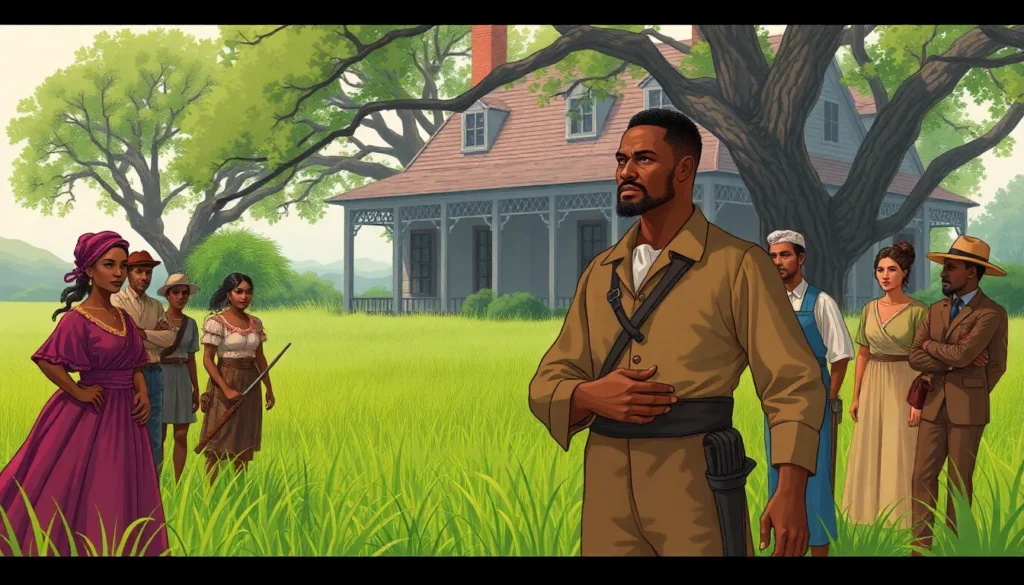
Rotten Tomatoes offers insight into the film’s reception, showcasing the ongoing discourse surrounding “The Free State of Jones.” Critics and audiences share different views, reflecting the film’s complexity.
Critical Reception
Critics gave mixed reviews, with 40% of reviews categorized as fresh. Praise often focuses on Matthew McConaughey’s compelling performance and the film’s striking cinematography. Some critics appreciate the ambition behind the narrative, which attempts to weave historical events into the storyline. Detractors, however, highlight historical inaccuracies and pacing issues, affecting overall storytelling. The inconsistency in critical feedback indicates divided perceptions among professionals regarding the film’s effectiveness in portraying its themes.
Audience Reaction
Audience scores present a stark contrast, with approximately 63% approval. Viewers often connect with the film’s moral dilemmas and themes of resistance. Many appreciate the attempt to shed light on lesser-known aspects of the Civil War era. Individual perspectives vary, as some prioritize historical accuracy and others value narrative engagement. This split signifies the film’s ability to evoke strong opinions, igniting conversations about its portrayal of loyalty and justice.
Key Themes in Free State of Jones
The film “The Free State of Jones” interweaves powerful historical and social themes. It presents a unique take on the Civil War, focusing on moral dilemmas and the pursuit of justice.
Historical Context
The narrative unfolds in Mississippi during the Civil War, highlighting the struggles faced by those opposing the Confederacy. Newton Knight, a farmer, emerges as a prominent figure challenging injustice. Tensions escalate as Knight leads a rebellion against oppressive forces, emphasizing the struggle for survival and autonomy. Historical events serve as a backdrop, illustrating the conflict between loyalty to the Confederacy and a greater moral imperative. Audiences witness the harsh realities of war and its impact on communities. The film captures lesser-known elements of this era, providing depth and nuance to the understanding of American history.
Social Justice Elements
Themes of social justice resonate throughout the film, underscoring the quest for equality amid oppression. Knight’s journey reveals his growing commitment to African American emancipation. He forms alliances with freed slaves, fostering a sense of unity and resistance. The film addresses systemic racism, reflecting the societal challenges of the time. Through its portrayal of Knight’s struggle, it emphasizes the importance of fighting for justice and human rights. Viewers encounter complex moral questions—loyalty, freedom, and the quest for dignity amidst turmoil. The film ultimately champions the idea that true justice requires unwavering courage and collective action.
Performance of Cast and Crew
Matthew McConaughey’s portrayal of Newton Knight received particular acclaim from critics. His performance effectively captured Knight’s internal struggle and transformation, showcasing emotional depth throughout the film. Gugu Mbatha-Raw also made a significant impact with her role as Rebecca, providing a strong representation of African American women during that era. Critics noted the chemistry between McConaughey and Mbatha-Raw, which added authenticity to their characters’ relationship.
Garrett Hedlund played a supporting role as a Confederate soldier, effectively conveying the complexities of loyalty and conflict. His performance complemented McConaughey’s, enhancing the film’s narrative. Each cast member contributed to the film’s overall emotional resonance, drawing viewers into the story.
Director Gary Ross shaped the film’s tone with a clear vision, merging historical context with personal narratives. Cinematography, handled by Phedon Papamichael, added a visual richness that engaged audiences. Critics praised the film’s bleak yet stunning depiction of the Civil War era. Editing choices, made by Ross and his team, influenced pacing, with some reviewers noting uneven moments.
Audience reactions reflected mixed feelings regarding performance dynamics. While some admired the cast’s portrayals, others cited pacing and historical inaccuracies as distractions. Overall, the collective efforts of the cast and crew created a film that stirred debate about its themes and portrayal of history, showcasing the complexities of the storyline and character interactions.
“The Free State of Jones” stands as a thought-provoking exploration of loyalty and justice during a tumultuous time in American history. Its portrayal of Newton Knight’s rebellion against the Confederacy invites viewers to reflect on the moral complexities of war and resistance. While the film has sparked mixed reviews on platforms like Rotten Tomatoes it undeniably ignites important conversations about race and equality.
The performances by Matthew McConaughey and the supporting cast add depth to the narrative, enhancing its emotional impact. As audiences engage with the film’s themes they contribute to an ongoing dialogue about the historical context and its relevance today. This cinematic piece not only entertains but also challenges viewers to consider the enduring fight for justice and human rights.