Nepalkrigare refers to the brave soldiers from Nepal who have earned a legendary reputation worldwide. Known for their exceptional courage and discipline, these warriors have served in various armies, most notably the British and Indian forces. Their dedication and skill have made them a vital part of military history.
The story of Nepalkrigare is not just about battles but also about honor and resilience. These soldiers have faced some of the toughest challenges with unwavering loyalty. Exploring their legacy offers insight into a unique martial tradition that continues to inspire.
Understanding Nepalkrigare: An Overview
Nepalkrigare refers to Nepalese soldiers known for their bravery and discipline in military service. Their reputation extends from local battles to international conflicts, influencing several armed forces worldwide.
Origin and Meaning of Nepalkrigare
Nepalkrigare originates from the combination of “Nepal,” the country of origin, and “krigare,” a Scandinavian term for warriors or fighters. This term encapsulates Nepalese soldiers’ identity as fierce and skillful combatants, emphasizing their martial heritage and cultural pride.
Historical Context and Significance
Nepalkrigare have played crucial roles since the early 19th century, particularly within the British Indian Army, where their exceptional combat skills earned respect during conflicts such as the Anglo-Nepalese War and both World Wars. Their involvement extended to the Indian Army post-independence, maintaining high standards of loyalty and valor. Their historical significance lies not only in military achievements but also in shaping Nepal’s national identity and strengthening international military collaborations.
Role of Nepalkrigare in Military History
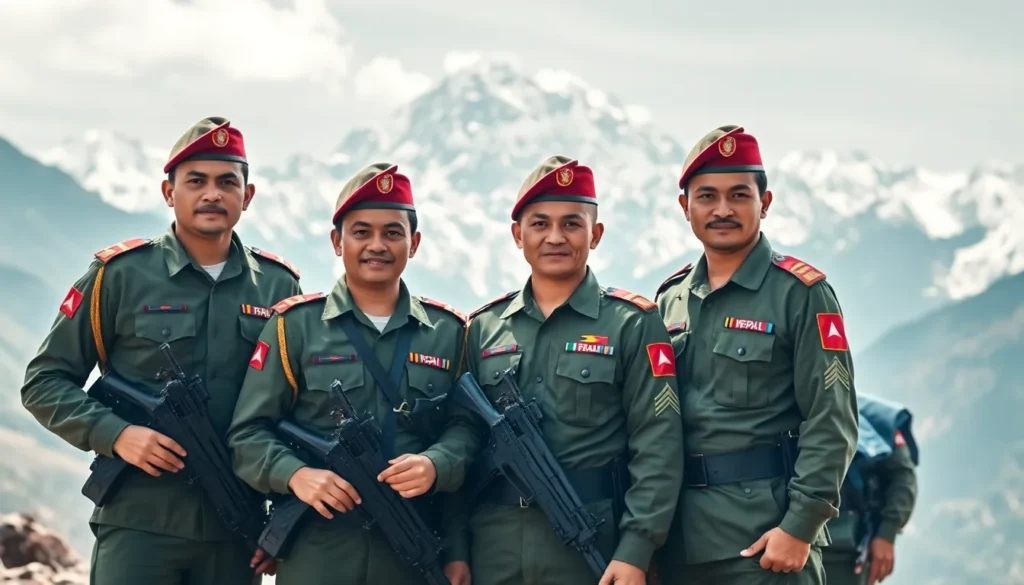
Nepalkrigare have established a legacy of exceptional military service through their involvement in key historical conflicts and ongoing deployments. Their skills and dedication continue to influence modern military strategies and international peacekeeping efforts.
Contributions in International Conflicts
Nepalkrigare served prominently in the Anglo-Nepalese War (1814–1816), where their tactics and resilience earned recognition. They fought with distinction in both World Wars, engaging in battles across Europe, Africa, and Asia. These warriors frequently operated in challenging environments, demonstrating adaptability and high combat effectiveness. Their contributions extended to crucial campaigns in Burma during World War II and the Italian campaign, where they gained multiple gallantry awards. Nepalkrigare also supported British and Indian forces in counterinsurgency operations, marking their role as versatile and reliable soldiers.
Modern-Day Involvement and Deployments
Today, Nepalkrigare actively serve in the Indian Army and international peacekeeping missions under the United Nations. They participate in operations in regions such as Lebanon, South Sudan, and Mali. These deployments emphasize their continued commitment to global security and stability. Their expertise in mountain warfare and resilience in extreme conditions remain highly sought-after. Modern Nepalkrigare units uphold their historical values of loyalty and discipline, contributing to both bilateral military collaborations and multinational operations worldwide.
Training and Skills of Nepalkrigare
Nepalkrigare maintain rigorous training that sharpens both physical endurance and combat expertise. Their preparation balances mental resilience with specialized battlefield skills, ensuring readiness for diverse military operations.
Physical and Mental Preparation
Nepalkrigare undergo intense physical conditioning focused on stamina, strength, and agility. Training includes mountain endurance exercises tailored to high-altitude environments where most operations occur. Mental preparation emphasizes discipline, stress management, and tactical decision-making under pressure. They practice situational awareness and psychological toughness to sustain performance in extreme conditions.
Specialized Combat Techniques
Nepalkrigare train in close-quarters combat, guerrilla warfare, and advanced marksmanship. Their skills include expertise in mountain warfare tactics, such as stealth movement and survival strategies in rugged terrain. Weapon training covers both traditional arms and modern firearms, optimizing their adaptability. Tactical drills integrate small unit coordination, ambush tactics, and reconnaissance missions, reflecting their historical and contemporary battlefield roles.
Equipment and Uniforms of Nepalkrigare
Nepalkrigare use equipment and uniforms tailored for rugged terrain and high-altitude warfare. Their gear balances traditional elements with modern military technology to maintain functionality and honor their heritage.
Standard Gear and Weaponry
Uniforms consist of durable, weather-resistant fabrics adapted to harsh mountain climates. Essential gear includes insulated boots, reinforced gloves, and layered clothing optimized for cold, wind, and precipitation. Standard-issue weapons feature the INSAS rifle and advanced sniper rifles for precision combat. Close-combat tools include kukris—traditional curved knives synonymous with Nepalkrigare. Backup firearms often include pistols and grenade launchers for versatile combat scenarios. Packs contain survival kits, communication devices, and mountaineering equipment essential for mobility and endurance in difficult terrain.
Symbolism and Cultural Elements
Uniforms incorporate distinct badges and insignias reflecting Nepalese heritage and regimental pride. The kukri serves as both a weapon and a cultural icon worn prominently on the belt. Colors such as red, green, and khaki carry historical significance tied to valor and loyalty. Ceremonial attire features traditional patterns and symbols representing the warrior ethos of the Nepalkrigare. Headgear varies from the slouch hat to the distinct topi cap, symbolizing national identity. These cultural elements reinforce unity and morale among soldiers while honoring centuries-old martial traditions.
Challenges Faced by Nepalkrigare
Nepalkrigare confront numerous challenges that test their resilience and dedication. These difficulties span combat conditions, environmental hardships, and issues related to recognition and support.
Combat and Environmental Difficulties
Nepalkrigare operate in hostile environments where mountainous terrain and extreme weather complications arise continuously. High altitude, low oxygen levels, and unpredictable climate conditions demand exceptional physical endurance and adaptability. Combat situations often involve guerrilla tactics and close-quarter battles within dense forests or steep slopes. These factors increase operational complexity, heighten risks of injury or fatigue, and require specialized training to maintain combat effectiveness. Nepalkrigare rely heavily on their traditional skills, such as kukri use and mountain warfare proficiency, to overcome these obstacles and maintain superiority under adverse conditions.
Recognition and Support Issues
Nepalkrigare face challenges in receiving adequate recognition and institutional support compared to counterparts from other military units. Despite their valor and significant contributions, gaps exist in pension benefits, healthcare access, and career advancement opportunities. This underrecognition affects morale and limits resources available for veterans and active service members. Furthermore, political and bureaucratic hurdles often delay or reduce acknowledgment of their sacrifices. Improved official acknowledgment, veterans’ welfare programs, and equitable support systems are necessary to uphold the dignity and welfare of Nepalkrigare, ensuring sustained motivation and operational readiness.
The Future of Nepalkrigare
Nepalkrigare continue to adapt to changing military landscapes while preserving their unique heritage. Their evolving roles in global security and commitment to traditional values define their path forward.
Evolving Roles in Global Security
Nepalkrigare remain vital contributors to international peacekeeping missions under the United Nations, leveraging their expertise in mountain warfare and guerrilla tactics. They participate in joint military exercises with allied nations, enhancing interoperability and operational readiness. As asymmetric warfare and counterterrorism efforts grow globally, their specialized skills in rugged terrain prove increasingly valuable. Modern Nepalkrigare units integrate advanced technology with traditional combat techniques, enabling effective responses across diverse environments. Their presence in multinational coalitions supports regional stability, reflects bilateral military cooperation, and strengthens Nepal’s strategic defense partnerships.
Preservation of Tradition and Identity
Nepalkrigare uphold their martial traditions through continued use of cultural symbols like the kukri and ceremonial attire that reinforce unit cohesion. Training programs emphasize discipline, loyalty, and respect for heritage, ensuring the legacy survives amid modernization. Distinct badges and insignias preserve Nepalese identity within multinational forces, fostering pride and motivation. Veterans’ associations actively promote historical awareness and support for current soldiers, bridging generational knowledge. Despite contemporary military demands, Nepalkrigare balance innovation with the preservation of customs that define their distinct warrior ethos, securing their role as enduring symbols of Nepal’s military valor.
Conclusion
The Nepalkrigare continue to exemplify resilience and skill in modern military operations. Their unique blend of tradition and innovation ensures they remain indispensable in both national defense and international peacekeeping efforts.
As they adapt to evolving challenges, their commitment to discipline and valor strengthens their role on the global stage. The enduring legacy of the Nepalkrigare reflects not only their historic achievements but also their vital contributions to future security and cooperation.