In today’s fast-paced world, staying on schedule is essential, and understanding the concept of “uhrenunstellung” can make all the difference. This German term, which translates to “clock adjustment,” encompasses the importance of setting and maintaining accurate timepieces in daily life. Whether it’s for personal use or professional settings, knowing how to properly adjust clocks ensures that time is managed efficiently.
As technology evolves, the methods of adjusting clocks have also changed. From traditional mechanical timepieces to modern smartwatches, each device has its unique way of keeping time. This article delves into the significance of uhrenunstellung, exploring various techniques and tips for ensuring that every clock in your life runs smoothly and accurately. Embracing this knowledge not only enhances punctuality but also fosters a deeper appreciation for the art of timekeeping.
Overview of Uhrenunstellung
Uhrenunstellung, or clock adjustment, plays a vital role in maintaining accurate timekeeping in various settings. Properly adjusting clocks ensures effective time management in both personal and professional environments.
Definition and Importance
Uhrenunstellung refers to the process of setting or resetting clocks to ensure they display the correct time. Accurate timekeeping significantly affects scheduling, productivity, and overall time awareness. Timely adjustments prevent misunderstandings and facilitate efficient planning in daily activities.
Historical Context
Historically, clock adjustment dates back to the invention of timekeeping devices. Early clocks required manual adjustments, often influenced by natural phenomena like the sun’s position. With the advent of mechanical clocks in the 14th century, adjustments became more standardized, yet they required significant manual effort. The introduction of electric and quartz clocks in the 20th century revolutionized uhrenunstellung, allowing for simpler and more precise adjustments, ultimately shaping modern practices.
Types of Uhrenunstellung
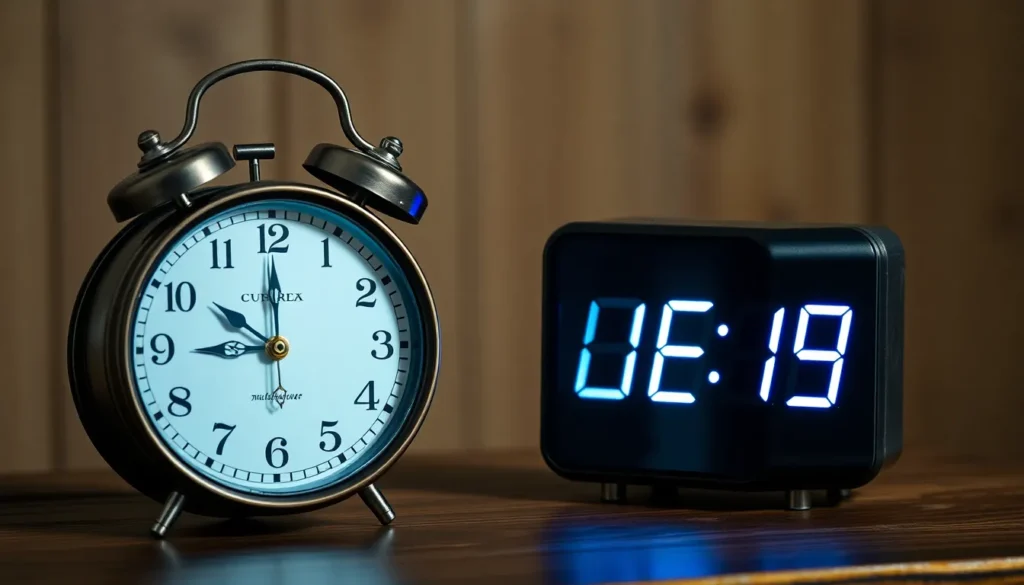
Uhrenunstellung methods vary considerably. They can be categorized primarily into mechanical and electronic adjustments.
Mechanical Adjustments
Mechanical adjustments involve the use of traditional clock mechanisms. These clocks require manual winding and setting. To adjust a mechanical clock, one typically turns the time-setting knob, ensuring the hour and minute hands align correctly. Common types include pendulum and spring-driven clocks. For optimal performance, these clocks need regular maintenance. Lubricating the gears prevents friction, ensuring precise timekeeping.
Electronic Adjustments
Electronic adjustments pertain to modern clock types that feature digital displays. These clocks automatically update time using built-in sensors or radio signals. For adjustments, users navigate through a digital interface or buttons. Digital clocks may also have features like alarms and timers, offering convenience. Smartphones and smartwatches exemplify technology’s impact, allowing for instant time synchronization and multiple time zone settings. Regular software updates can enhance functionality and accuracy, ensuring reliable timekeeping.
How to Perform Uhrenunstellung
Performing uhrenunstellung ensures accurate timekeeping for various devices. This process varies slightly depending on the type of clock, but having the right tools and following a systematic approach streamlines the adjustment.
Tools Required
- Screwdriver: A small Philips or flat-head screwdriver is essential for accessing the mechanism in mechanical clocks.
- Clock Key: For some vintage clocks, a specific clock key fits the winding mechanism.
- Smartphone: A smartphone can serve as a reference for accurate time or to adjust smart devices via an app.
- User Manual: Reference materials or manuals provide instructions tailored to specific clock models, ensuring proper handling.
- Battery Replacement: For electronic clocks, keep spare batteries handy to avoid timing errors due to power loss.
Step-by-Step Guide
- Identify the Clock Type: Determine if the clock is mechanical or electronic; the method of adjustment differs.
- Access the Mechanism: For mechanical clocks, use a screwdriver to open the back panel. For digital clocks, locate the time-setting buttons.
- Set the Time:
- Mechanical clocks: Turn the winding mechanism or use the clock key to set the correct time.
- Electronic clocks: Press the time-setting buttons to adjust the hour and minute displays.
- Check Time Accuracy: Use a reliable source, like a smartphone or a radio broadcast, to confirm the accuracy of the adjusted time.
- Secure the Clock: Reassemble the clock carefully, ensuring that all screws are tightened, and any batteries are replaced.
- Monitor Performance: Observe the clock over the following days to ensure it keeps time accurately, making adjustments if necessary.
This guide provides clear steps and necessary tools to ensure proper uhrenunstellung, enhancing reliable timekeeping across various devices.
Common Issues and Solutions
Accurate timekeeping can present various challenges. Addressing common issues and implementing solutions ensures clocks remain reliable.
Troubleshooting Tips
- Clock Doesn’t Tickt: Check for dead batteries or ensure the winding mechanism operates properly. Replace batteries or wind the clock as needed.
- Time Lag: For electronic clocks, verify the settings and ensure synchronization with a reliable time source. Reset the clock if necessary.
- Incorrect Time: Adjust settings according to the user manual, especially if the clock skips or runs fast. Follow the instructions closely to set the correct time.
- Movement Stalling: Inspect for debris in mechanical clocks that may impede gears. Clean the mechanism gently with a soft brush or cloth.
- Display Issues: For digital displays, check connections for loose wires or faulty sensors. Restart the clock after ensuring connections are secure.
Preventative Measures
- Regular Maintenance: Perform routine maintenance on mechanical clocks to keep gears lubricated. Schedule professional servicing every few years.
- Use Quality Batteries: Install high-quality batteries in electronic clocks to prevent leakage and ensure optimal performance. Replace batteries annually.
- Environmental Control: Position clocks away from direct sunlight, extreme temperatures, or humidity. Maintain a stable environment for accuracy.
- Avoid Over-Winding: In mechanical clocks, avoid excessive winding to prevent damage to springs. Follow the manufacturer’s guidelines on winding frequency.
- Update Software: For smartwatches and electronic devices, ensure regular software updates to improve time synchronization features. Enable automatic updates for convenience.
Conclusion
Understanding uhrenunstellung is essential for anyone looking to manage their time effectively. Accurate timekeeping plays a crucial role in both personal and professional settings. With the evolution of technology, adjusting clocks has become easier and more efficient.
By following the techniques and tips outlined, individuals can ensure their timepieces remain reliable. Whether using traditional mechanical clocks or modern electronic devices, regular maintenance and timely adjustments are key. Embracing these practices not only enhances punctuality but also fosters a deeper appreciation for the art of timekeeping.