In a world where stress seems to be the reigning champion, yoga breathing exercises offer a refreshing escape. Imagine transforming your chaotic thoughts into calm clarity with just a few deep breaths. Sounds like magic, right? Well, it’s not—it’s just good old-fashioned pranayama! These breathing techniques not only soothe the mind but also boost energy levels, making them the perfect antidote to daily distractions.
Overview of Yoga Breathing Exercises
Yoga breathing exercises encompass various techniques known as pranayama. These practices focus on controlling breath to cultivate mindfulness and enhance well-being. Breathing deeply can reduce stress and promote relaxation. Various methods like diaphragmatic breathing encourage full oxygen exchange, impacting physical and mental health positively.
Practitioners can benefit from ujjayi breathing, often used in asana practice. This technique generates a gentle sound in the throat, aiding focus during yoga. Another method, nadi shodhana or alternate nostril breathing, balances the body’s energies and calms the mind.
Benefits are not limited to relaxation. Research indicates consistent practice can increase lung capacity and improve overall respiratory function. Enhanced concentration often results from the increased oxygen supply, allowing for clearer thought processes.
During yoga, integrating breathing exercises fosters a deeper connection between body and mind. Participants may experience heightened awareness of their breath, allowing for a more profound understanding of their physical and emotional states.
Incorporating a variety of breathing techniques into a regular practice can provide diverse benefits. Engaging in these exercises for just a few minutes daily can become a transformative experience.
Benefits of Yoga Breathing Exercises
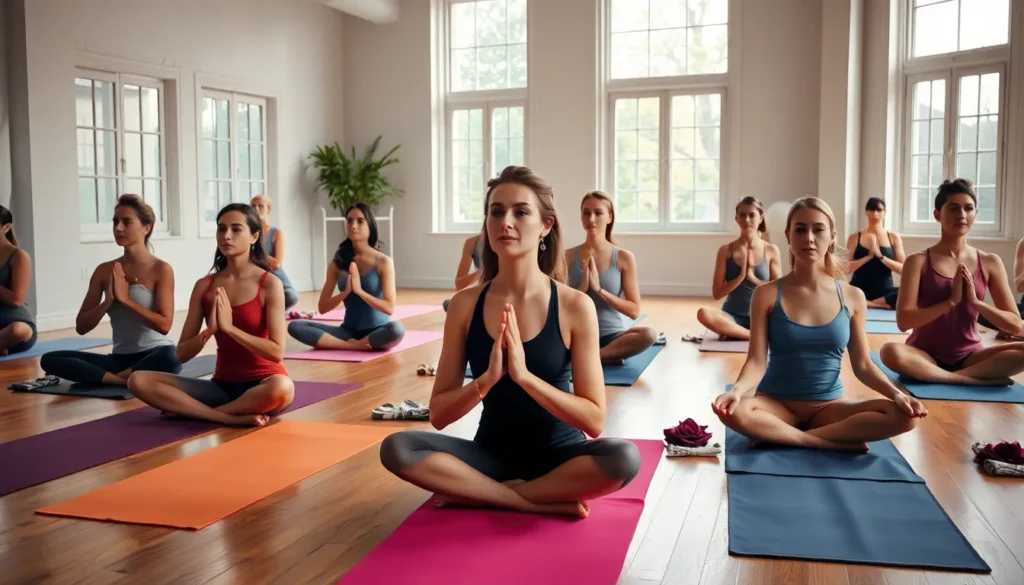
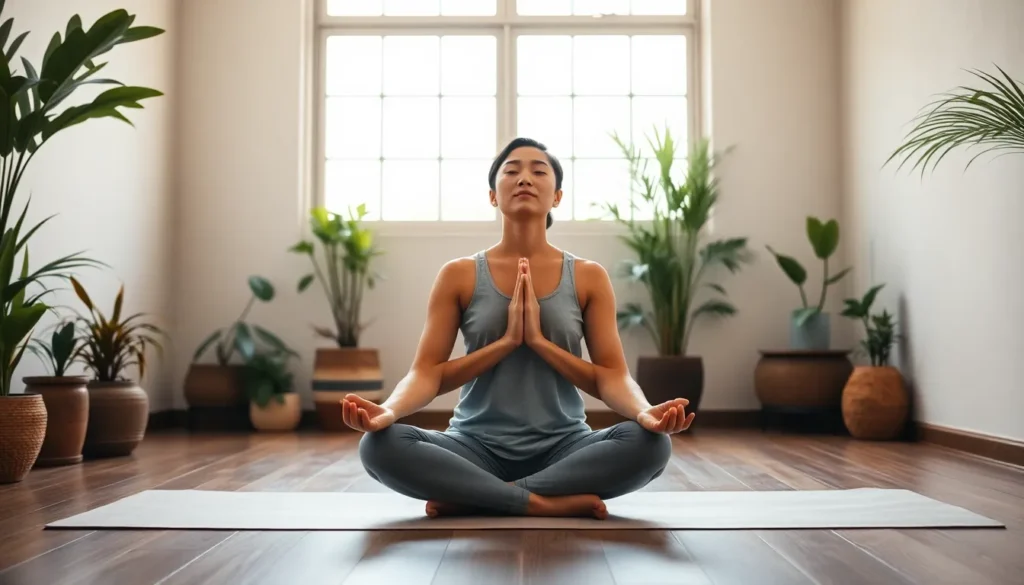
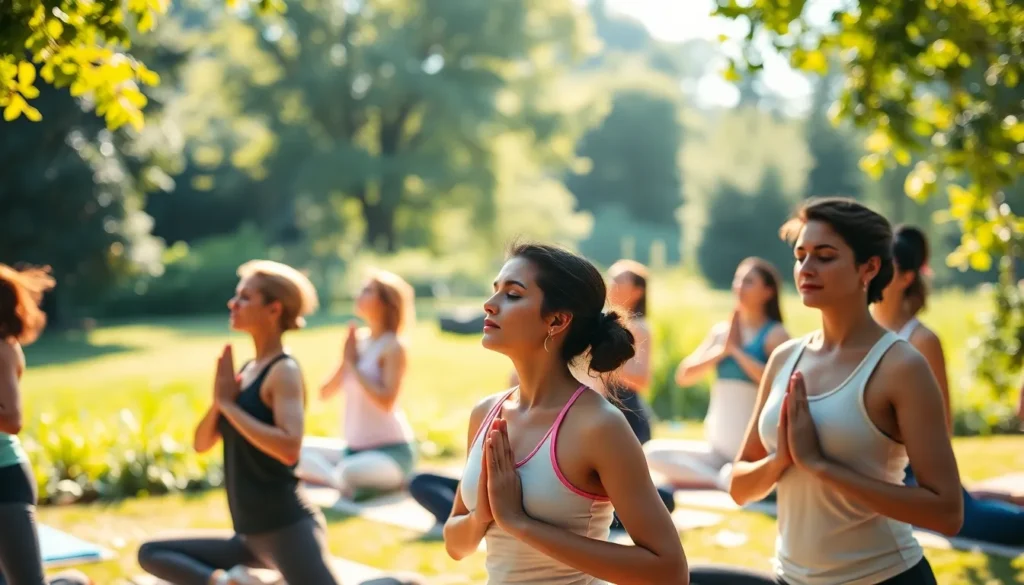
Yoga breathing exercises provide numerous advantages for both physical and mental health. Practicing pranayama techniques can lead to profound overall well-being.
Physical Benefits
Yoga breathing exercises enhance lung capacity significantly. Engaging in diaphragmatic breathing increases oxygen intake, promoting overall respiratory health. Ujjayi breathing strengthens abdominal muscles, contributing to better posture. Exercising nadi shodhana balances both sides of the brain, fostering overall physical harmony. Improved blood circulation results from conscious breathing, which can also lower blood pressure. Practicing these techniques regularly leads to increased energy levels and overall vitality.
Mental Benefits
Yoga breathing directly influences mental clarity. Focusing on breath helps transform chaotic thoughts, resulting in a sense of calmness. Practicing these techniques cultivates mindfulness, reducing anxiety and promoting emotional stability. Regular engagement supports concentration and aids in overcoming distractions. Enhanced awareness often accompanies these exercises, leading to clearer decision-making. Individuals find that just a few minutes of pranayama daily significantly contributes to improved mental well-being.
Common Types of Yoga Breathing Exercises
Various yoga breathing exercises help enhance physical and mental well-being through specific techniques. Each method offers unique benefits and promotes a deeper connection between mind and body.
Ujjayi Breath
Ujjayi breath, often called “victorious breath,” creates a gentle, whispering sound during inhalation and exhalation. This technique activates the throat muscles, resulting in a calming effect that reduces anxiety. Practicing Ujjayi enhances concentration and increases energy levels, making it suitable for both beginners and seasoned practitioners. Engaging in this breath during yoga sessions promotes a mindful experience, as it encourages awareness of one’s breath throughout movements.
Nadi Shodhana
Nadi Shodhana, or alternate nostril breathing, balances energy channels in the body. This practice starts by closing one nostril and inhaling deeply through the other, then switching sides. Nadi Shodhana calms the mind, reduces stress, and improves mental clarity. Individuals often find this technique helps restore harmony in their thoughts, especially during moments of chaos. Practicing it regularly fosters a sense of peace, making it a valuable tool for meditation.
Kapalabhati
Kapalabhati translates to “skull shining breath,” focusing on quick, forceful exhales followed by passive inhales. This energizing technique detoxifies the body and improves respiratory efficiency. Incorporating Kapalabhati into a daily routine boosts vitality and enhances mood. Practitioners enjoy increased lung capacity and heightened alertness, which contribute to overall well-being. Performing this breath effectively stimulates abdominal muscles and promotes blood circulation, paving the way for a healthier lifestyle.
How to Incorporate Yoga Breathing Exercises into Your Routine
Incorporating yoga breathing exercises into a daily routine enhances physical and mental well-being. Consistent practice fosters benefits that extend throughout the day.
Creating a Practice Schedule
Establishing a practice schedule facilitates regular engagement with yoga breathing exercises. Choose a specific time, such as morning or evening, that aligns well with personal preferences. Aim for 5 to 15 minutes daily, gradually increasing duration as comfort grows. Setting reminders on a smartphone can bolster commitment and accountability. Designate a quiet space free from distractions to enhance focus. Integrating breathing exercises into existing yoga sessions can create a cohesive practice.
Tips for Beginners
Starting yoga breathing exercises may seem challenging, but simplicity encourages progress. Begin with diaphragmatic breathing, allowing awareness to develop gradually. Focusing on the breath helps ease tension and promotes relaxation. Practice in a comfortable seated position, ensuring alignment without strain. Experiment with different techniques like ujjayi or nadi shodhana to find what resonates most. Consistency is key; practicing several times a week reinforces habit formation. Joining a class or following online tutorials provides guidance and support for newcomers.