Traveling by train offers a convenient and eco-friendly way to explore cities and countries. Understanding the concept of “zugververbindung” can make planning train journeys much easier. This term refers to train connections or routes that link different destinations efficiently.
Whether commuting daily or embarking on a scenic trip, knowing how zugververbindung works helps travelers find the best schedules and transfer points. It ensures smooth transitions between trains and minimizes waiting times. With the growing popularity of rail travel, mastering zugververbindung is key to a hassle-free experience.
Understanding Zugververbindung
The term zugververbindung defines key aspects of train travel. It focuses on creating efficient and reliable connections between train services.
Definition and Meaning
Zugververbindung translates to “train connection” in English. It refers to coordinated scheduling and routing of trains to ensure smooth passenger transfers. Precision in zugververbindung minimizes transfer times and avoids missed connections. It emphasizes linking different train lines, routes, and departure times to streamline travel across regions.
Origin and Usage in Transportation
Zugververbindung originates from German railway terminology reflecting a systematic approach to inter-train coordination. Railway operators use it to describe optimized timetabling and platform assignments facilitating seamless passenger flow. Modern transportation systems adopt zugververbindung principles to improve network efficiency, especially in multi-line commuter or long-distance rail services. Its application reduces travel disruptions and enhances overall journey reliability.
Key Features of Zugververbindung
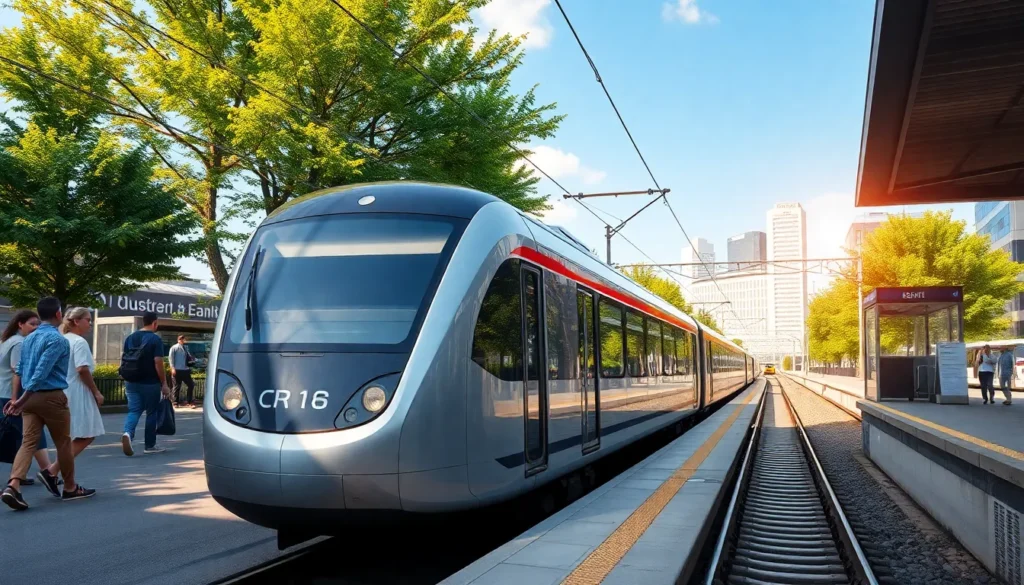
Zugververbindung ensures seamless integration between train services, enhancing travel efficiency. It involves various connection types and offers distinct advantages over other transport methods.
Types of Train Connections
- Direct Connections enable passengers to travel between two destinations without changing trains, reducing travel time and simplifying logistics.
- Transfer Connections link two or more train services, requiring passengers to switch trains at designated stations with coordinated schedules to minimize wait time.
- Timetable Connections focus on synchronized departures and arrivals, ensuring trains meet at transfer points within optimal timeframes to avoid delays.
- International Connections facilitate cross-border train travel by linking national rail networks, supporting coordinated customs and ticketing procedures for smooth transitions.
Advantages Over Other Transport Modes
- Environmental Impact benefits include lower carbon emissions compared to cars and airplanes, supporting eco-friendly travel preferences.
- Reliability stems from fixed schedules and less susceptibility to traffic congestion, increasing on-time arrival rates.
- Cost Efficiency arises from competitive pricing and reduced ancillary expenses, such as fuel and parking fees, especially on longer journeys.
- Comfort and Convenience result from spacious seating, onboard amenities, and the ability to move freely, enhancing overall passenger experience.
How to Use Zugververbindung for Travel Planning
Zugververbindung simplifies travel planning by offering clear guidance on train connections. It helps travelers identify the best routes and ensures timely transfers.
Finding and Booking Connections
Travelers find zugververbindung schedules using official rail websites, apps, or third-party platforms like Deutsche Bahn or Rail Europe. These sources provide detailed information on departure times, arrival times, platform numbers, and transfer durations. Booking tickets online offers advantages such as seat reservations, real-time updates, and options for flexible fares. For international routes, consulting cross-border connections prevents travel interruptions and optimizes journey times.
Tips for Smooth Transfers
Planning transfers around zugververbindung reduces wait times and stress. Arriving at transfer stations at least 10 minutes early allows time to locate platforms and navigate facilities. Prioritizing direct connections eliminates transfers when possible. When transfers occur, selecting routes with synchronized timetables minimizes the risk of missed trains. Checking platform changes and station layouts beforehand accelerates movement between trains. Carrying minimal luggage ensures easier mobility during transfers.
Comparisons with Other Travel Connection Systems
Zugververbindung offers a structured approach to train connections that enhances travel efficiency. Comparing it with other train connection systems highlights its unique coordination and reliability features.
European Train Connection Systems
European train connection systems, such as those operated by Deutsche Bahn, SNCF, and ÖBB, emphasize integrated scheduling and ticketing similar to zugververbindung. They focus on minimizing transfer times and facilitating cross-border travel through interoperable rail networks. The RailNetEurope (RNE) platform plays a key role, enabling real-time data exchange and coordinated timetables across countries. Compared to standard national systems, zugververbindung features a stronger emphasis on synchronized connections at hub stations and international routes, which reduces wait times and missed transfers for travelers. European systems also invest in high-speed rail lines that complement zugververbindung principles by further reducing travel durations between major cities.
Global Perspectives on Train Connectivity
Globally, train connection systems vary in complexity and integration levels. Countries like Japan and South Korea employ highly automated connection management, similar to zugververbindung, which optimizes transfers through precise scheduling and platform allocations. In contrast, North American rail networks, such as Amtrak, often lack rigorous connection synchronization, resulting in longer transfer times and less reliable connections. High-density networks in China combine frequent services with growing emphasis on connection reliability, aligning more closely with zugververbindung standards. Overall, zugververbindung exemplifies advanced coordination seen in select global systems but stands out due to its comprehensive integration of timetable synchronization, transfer facilitation, and cross-border interoperability.
Conclusion
Zugververbindung represents a key advancement in train travel, making journeys smoother and more efficient through expertly coordinated connections. Its emphasis on timing, transfer ease, and network integration sets a high standard for rail systems worldwide. Travelers who embrace this concept can enjoy more reliable schedules and less travel stress.
As rail networks continue to evolve, zugververbindung principles will play an increasingly important role in shaping sustainable and convenient transportation options. Mastering these connections opens the door to exploring destinations with confidence and ease, reinforcing train travel as a smart choice for modern explorers.